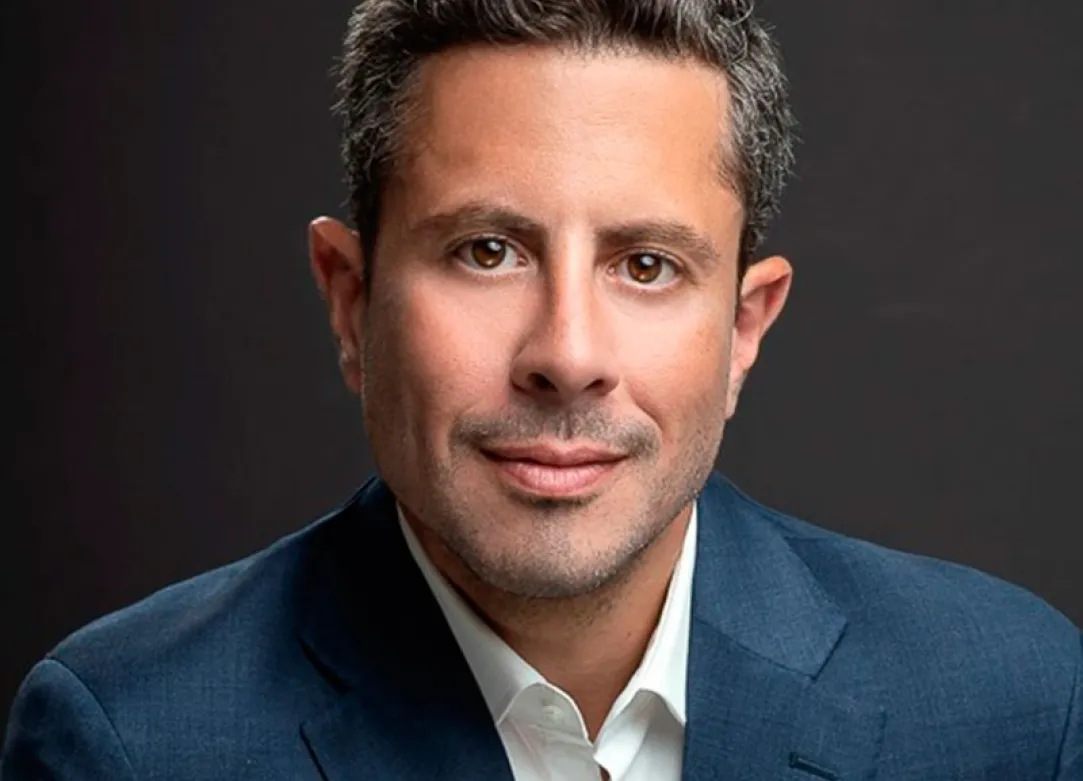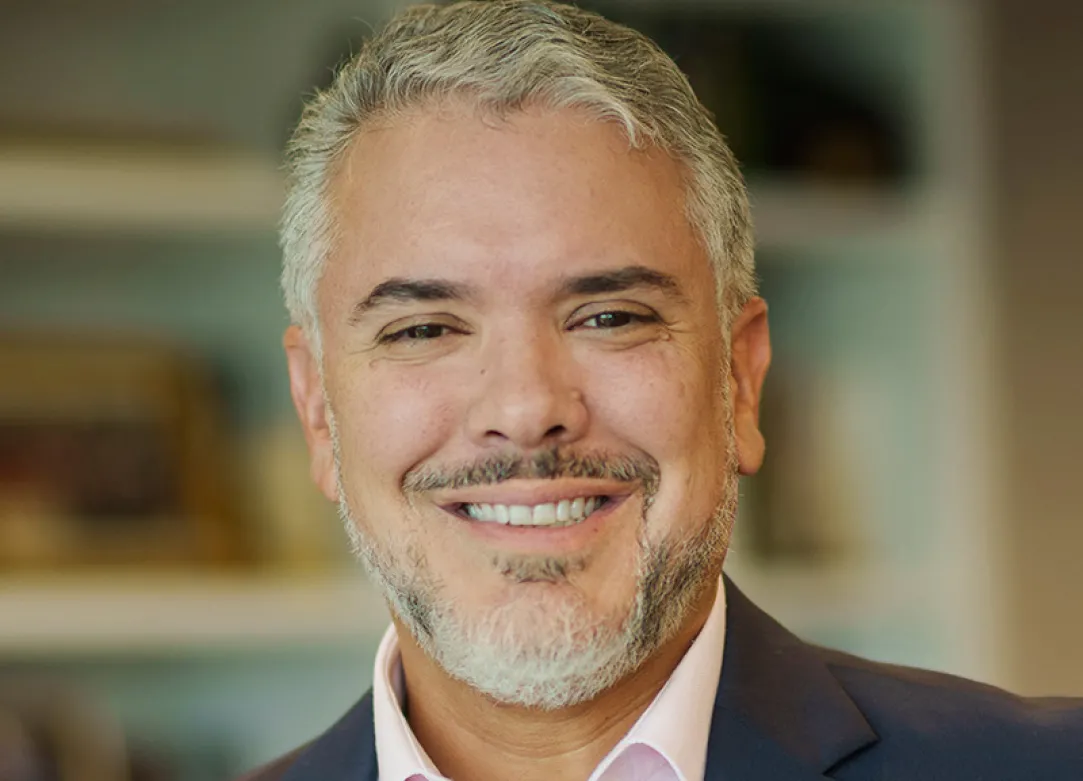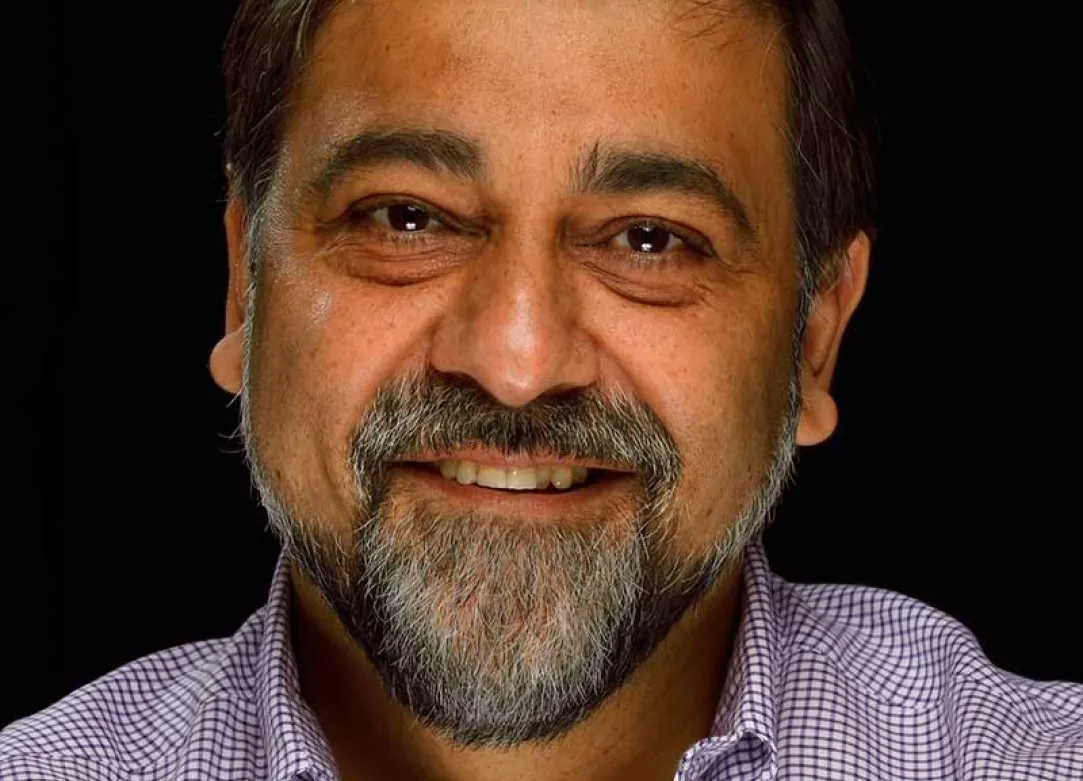

Rutger Bregman is a historian, international bestselling author and one of the most influential public intellectuals of his generation, renowned for his powerful ideas on progress, inequality, human behavior and the future of society. Described by The Guardian as “the Dutch wunderkind of new ideas,” his work has helped shape global conversations about how economies and institutions can evolve to serve human flourishing.
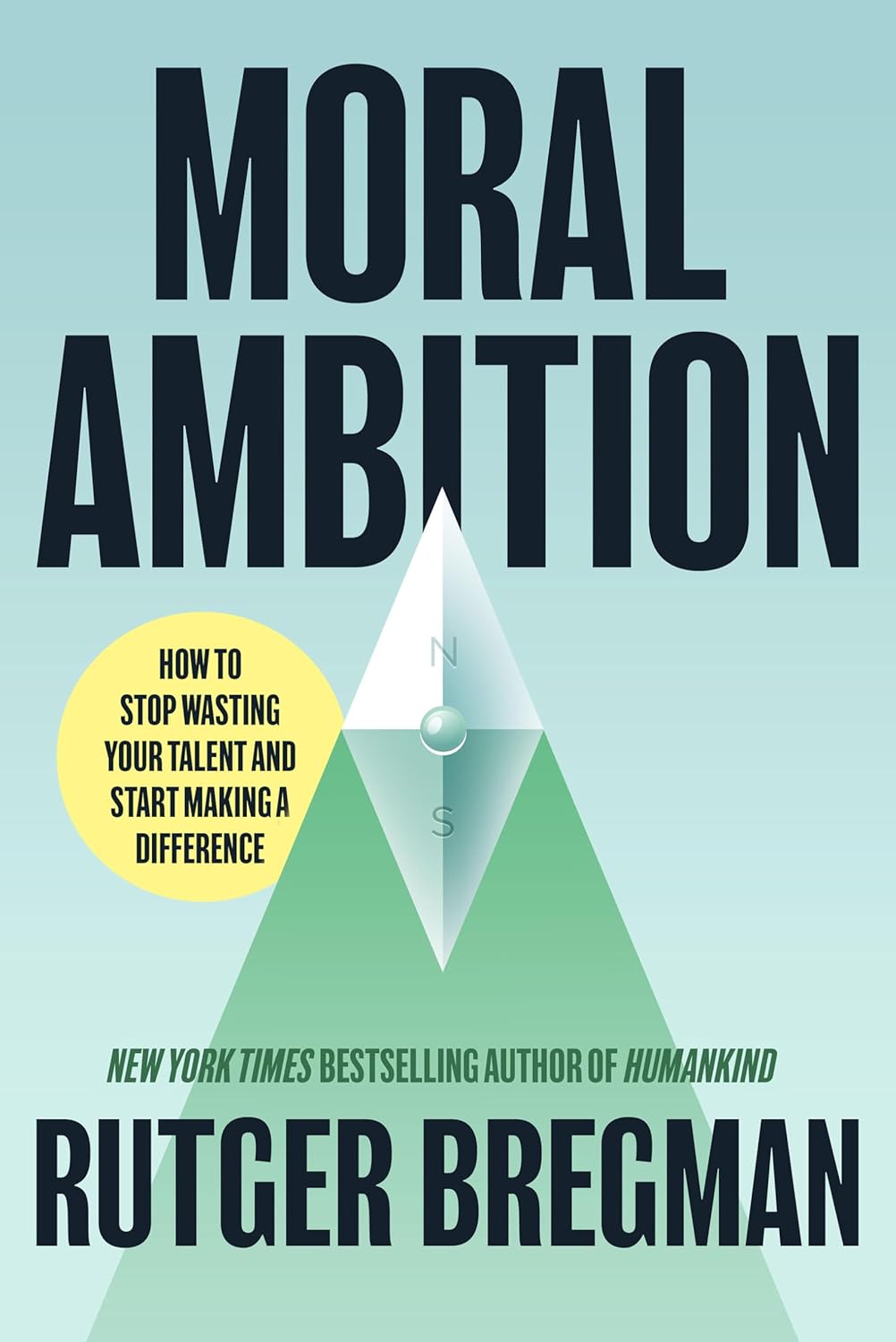
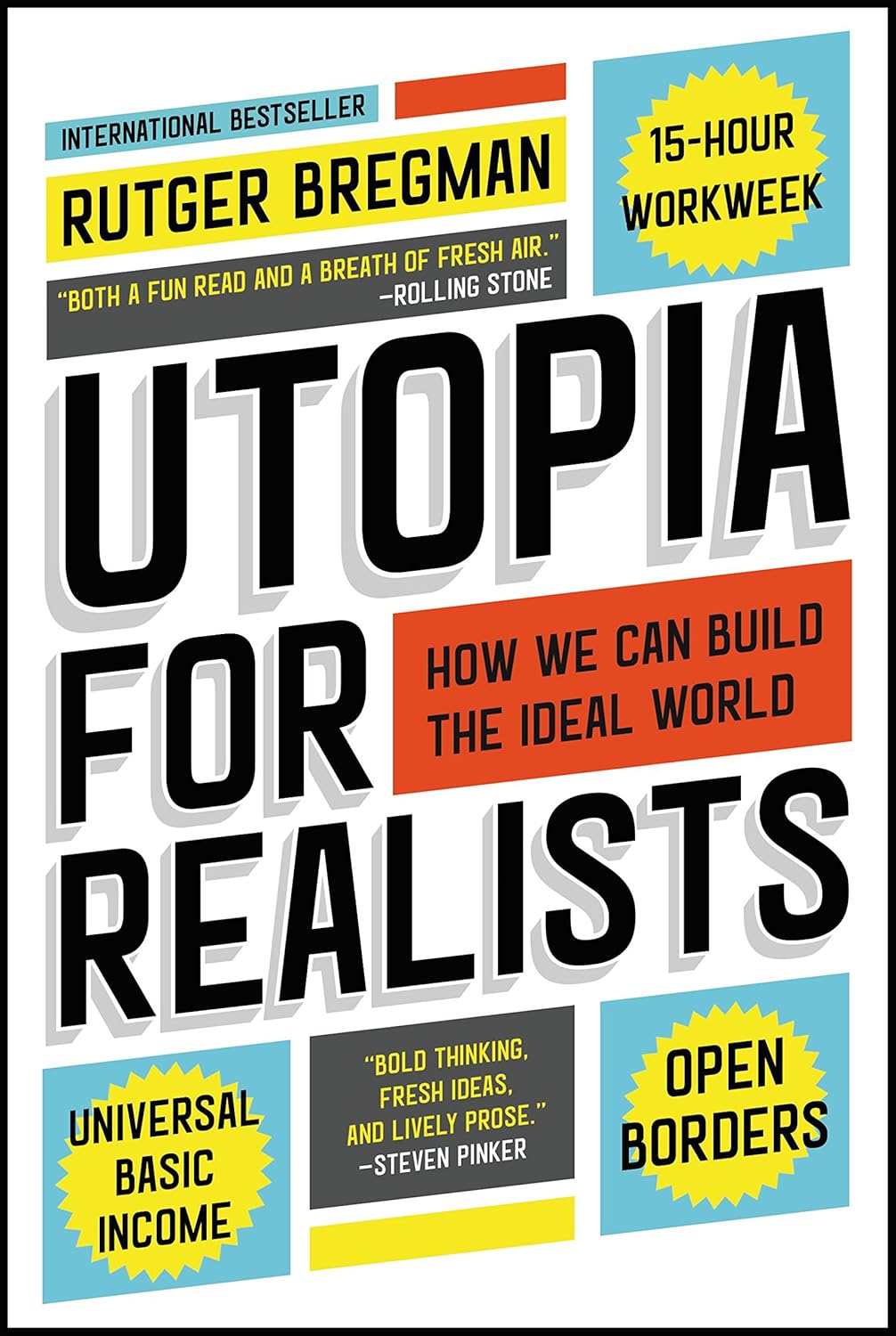
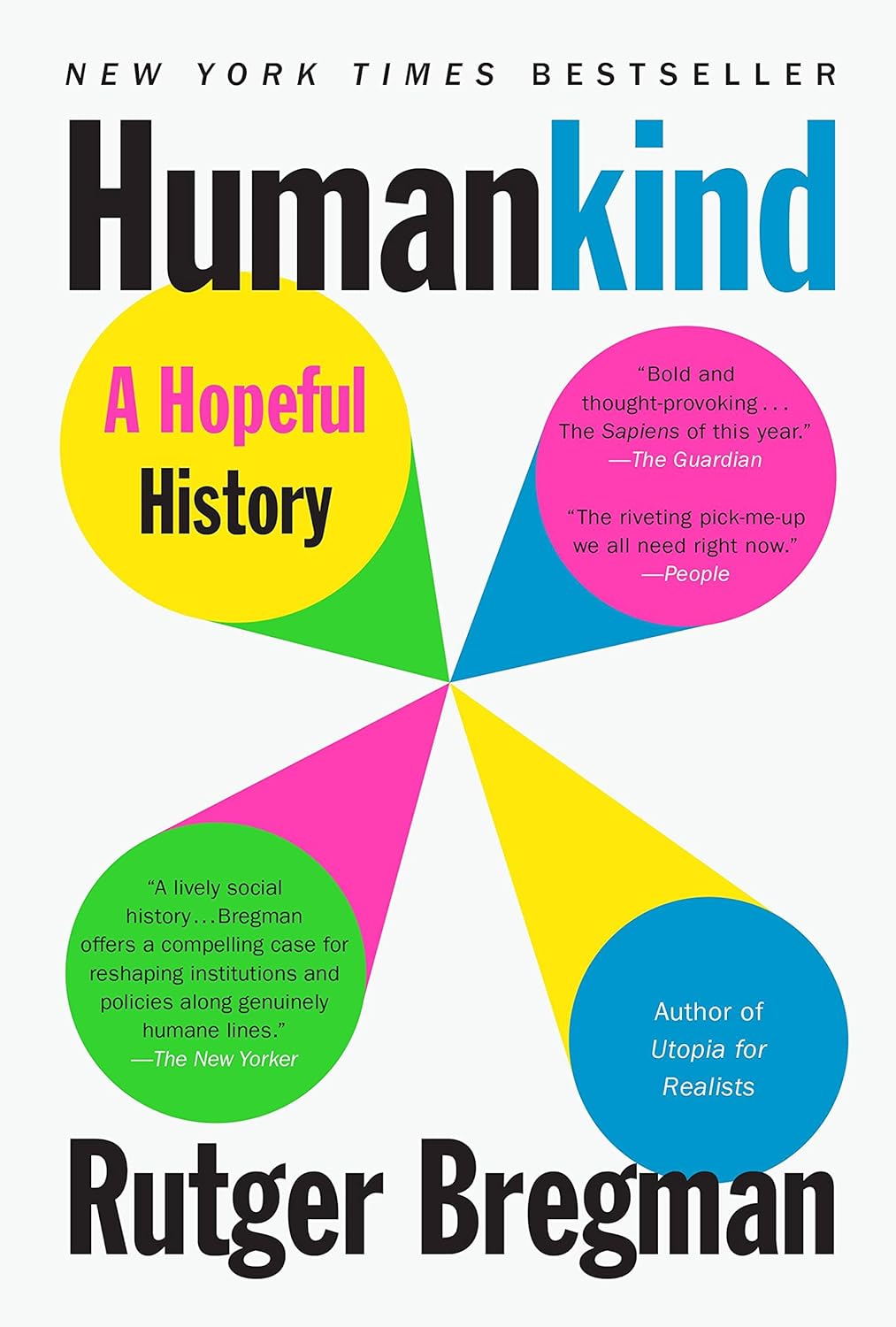
His book Utopia for Realists introduced mainstream audiences to concepts such as Universal Basic Income, shorter workweeks and open borders — ideas once considered radical but now central to major policy debates. His most recent book, Humankind: A Hopeful History, became an international bestseller for its bold, evidence-backed argument that humans are fundamentally cooperative, resilient and good.
Bregman’s research combines history, economics, psychology and anthropology, offering audiences a panoramic and deeply human perspective on how societies change. His viral moment at the World Economic Forum in Davos — where he publicly challenged global elites about tax avoidance — cemented his reputation as a fearless voice for systemic reform.
Bregman has written for The Correspondent, The Guardian, The Washington Post, and Time, and has appeared on The Daily Show, BBC, CNN, MSNBC and major European outlets. Today, he speaks around the world on the future of work, trust, governance, leadership and the power of optimism grounded in data.