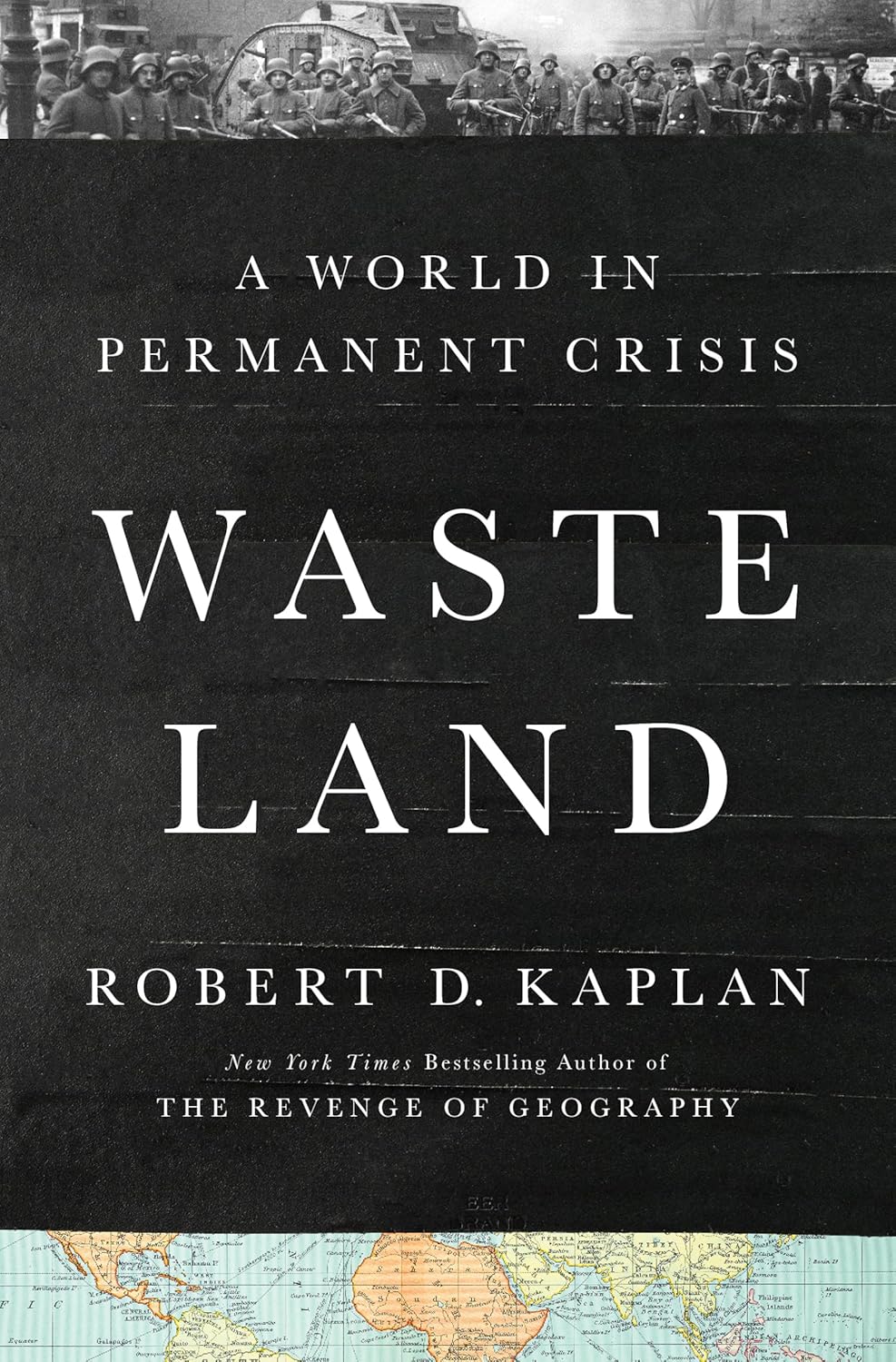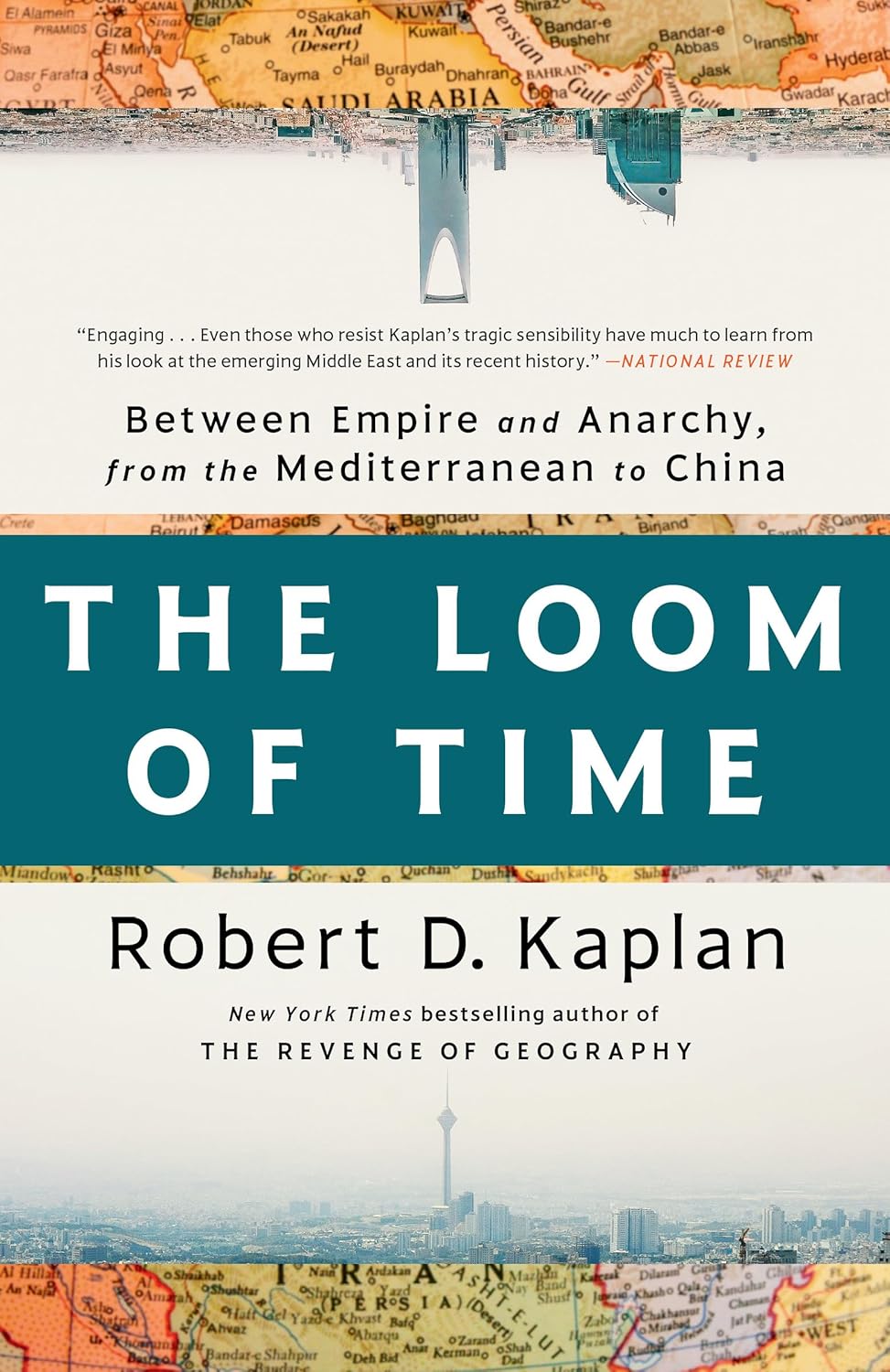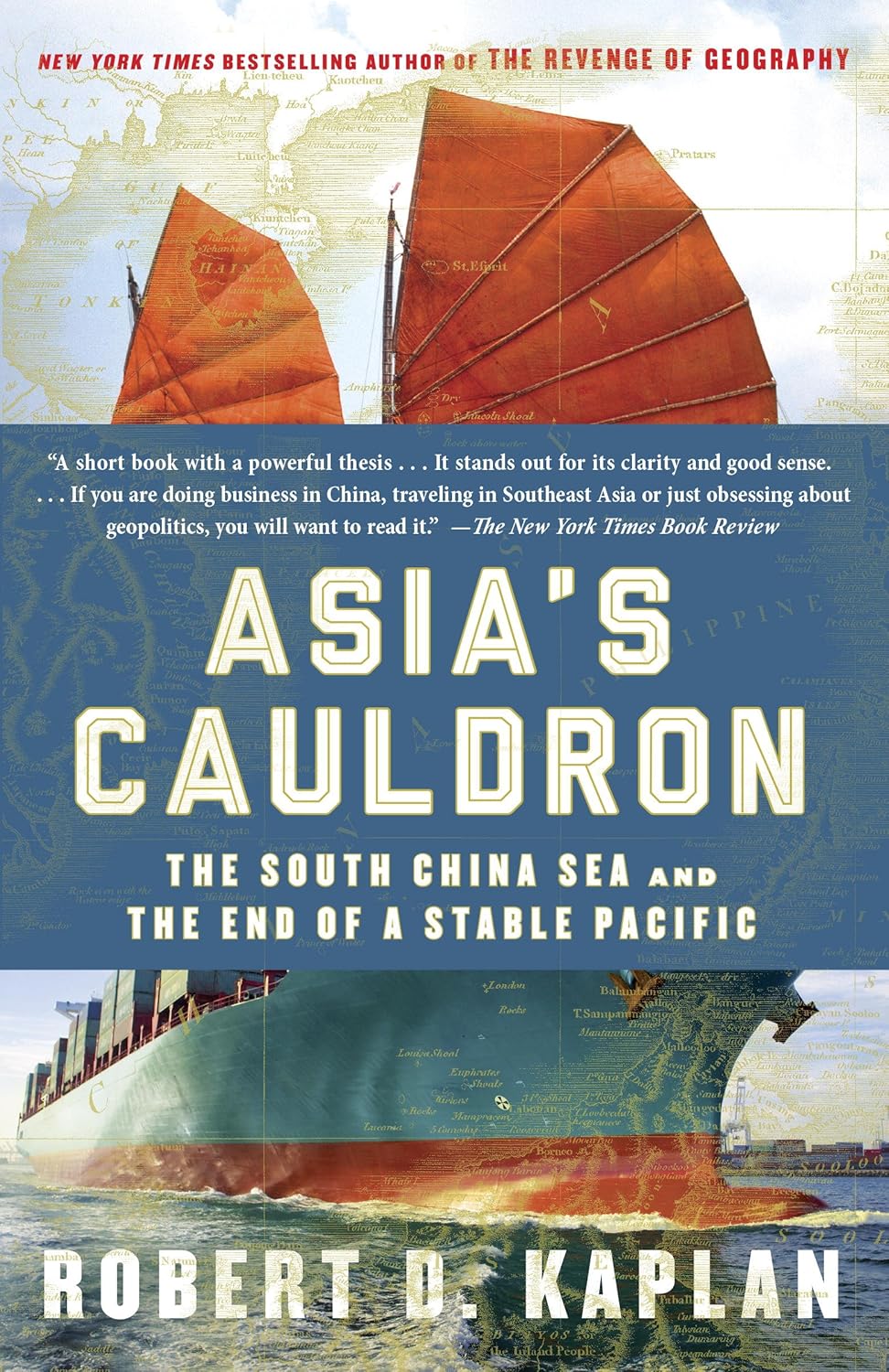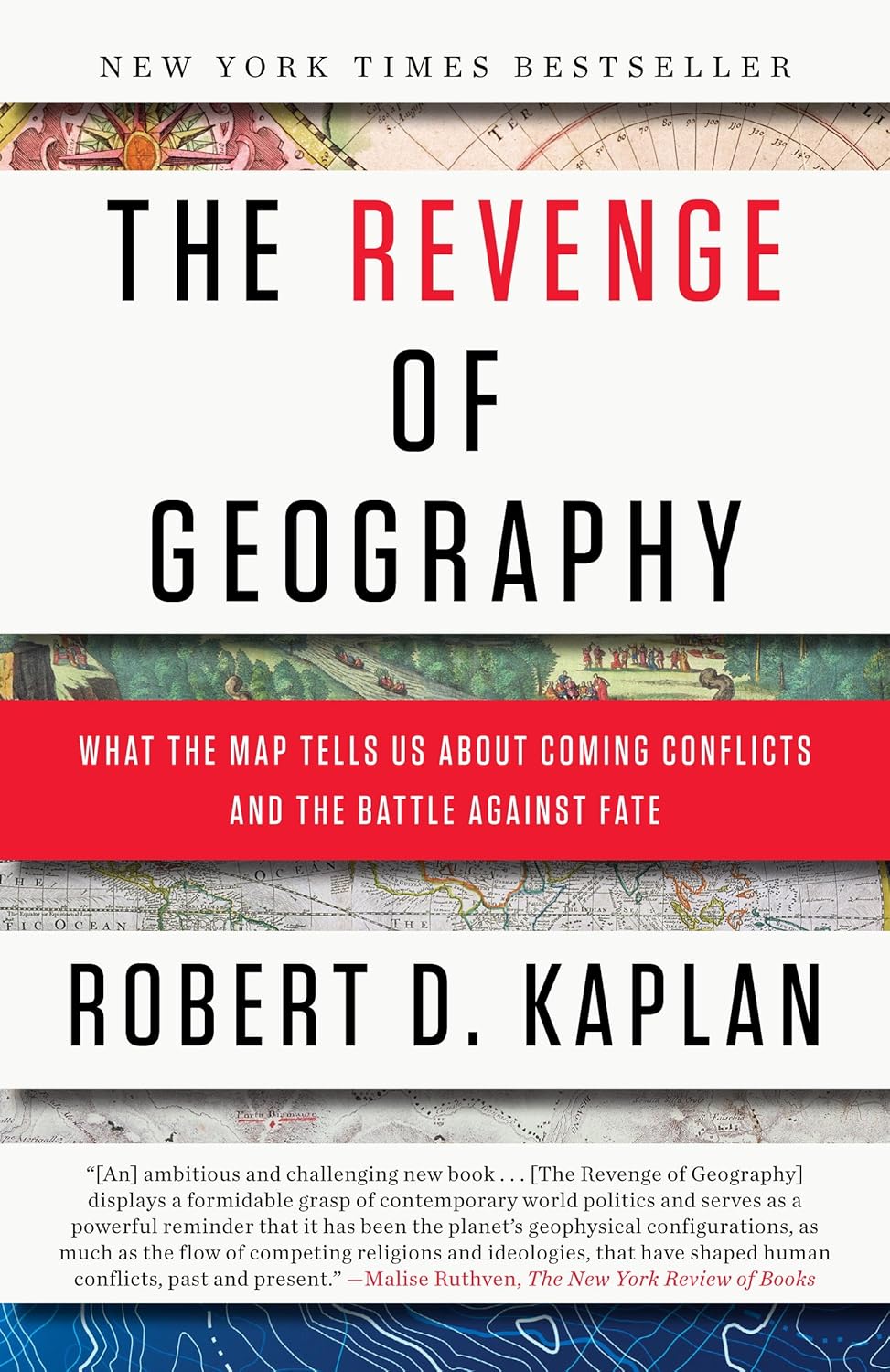

Robert D. Kaplan is a globally respected geopolitical analyst, foreign affairs journalist, and bestselling author whose work bridges history, geography, and strategy. He is the bestselling author of twenty-four books on foreign affairs and travel translated into many languages, including China Whisperers, Waste Land, The Loom of Time, The Tragic Mind, Adriatic, The Coming Anarchy, Balkan Ghosts, Asia's Cauldron, and The Revenge of Geography. For three decades he reported on foreign affairs for The Atlantic. He is a distinguished senior lecturer at the University of Texas at Austin.
From 2020 to 2025 he held the Robert Strausz-Hupé Chair in Geopolitics at the Foreign Policy Research Institute. He was a senior adviser at Eurasia Group, chief geopolitical analyst at Stratfor, a visiting professor at the United States Naval Academy, a senior fellow at the Center for a New American Security, and a member of both the Pentagon’s Defense Policy Board and the U. S. Navy's Executive Panel. Foreign Policy magazine twice named him one of the world's “Top 100 Global Thinkers."
New York Times columnist Thomas Friedman has called Kaplan among the four "most widely read" authors defining the post-Cold War (along with Stanford Professor Francis Fukuyama, Yale Professor Paul Kennedy, and the late Harvard Professor Samuel Huntington). Kaplan's article, "The Coming Anarchy," published in the February, 1994 Atlantic Monthly, about how population rise, ethnic and sectarian strife, disease, urbanization, and resource depletion is undermining the political fabric of the planet, was hotly debated in foreign-language translations around the world. So was his December, 1997 Atlantic cover story, "Was Democracy Just A Moment?" That piece argued that the democracy now spreading around the world would not necessarily lead to more stability. According to U. S. News & World Report, "President Clinton was so impressed with Kaplan, he ordered an interagency study of these issues, and it agreed with Kaplan's conclusions."
In the 1980s, Kaplan was the first American writer to warn in print about a future war in the Balkans. Balkan Ghosts was chosen by The New York Times Book Review as one of the "best books" of 1993. The Arabists, The Ends of the Earth, An Empire Wilderness, Eastward to Tartary, and Warrior Politics were all chosen by The New York Times as "“notable" books of the year. An Empire Wildernesswas chosen by The Washington Post and The Los Angeles Times as one of the best books of 1998. The Wall Street Journal named The Arabists one of the five best books ever written about America’s historical involvement in the Middle East. The Financial Times named Asia's Cauldron one of the ten best political books of 2014.
Besides The Atlantic, Kaplan's essays have appeared on the editorial pages of The New York Times, The Washington Post, the Financial Times, The Wall Street Journal, and The Los Angeles Times, as well as in all the major foreign affairs journals, including cover stories in Foreign Affairs. He has been a consultant to the U. S. Army's Special Forces Regiment, the U. S. Air Force, and the U. S. Marines. He has lectured at military war colleges, the FBI, the National Security Agency, the Pentagon's Joint Staff, the Defense Intelligence Agency, the CIA, major universities, and global business forums. He has briefed presidents, secretaries of state, and defense secretaries, Kaplan has delivered the Secretary of State's Open Forum Lecture at the U.S. State Department. He has reported from over 100 countries. Two earlier books of his, Soldiers of God: With Islamic Warriors in Afghanistan and Pakistan, and Surrender or Starve: Travels in Ethiopia, Sudan, Somalia and Eritrea, have been re-issued, so that all his books are in print.
In 2004, Kaplan was given the Distinguished Alumni Award by the University of Connecticut. In 2009, he was given the Benjamin Franklin Public Service Award by the Foreign Policy Research Institute in Philadeplphia. In 2016, he was awarded the International Prize by the Spanish Geographical Society in Madrid, presented by Queen Sofia of Spain. In 2024, his book The Loom of Time was the runner-up for the best non-fiction work in international affairs awarded by the Overseas Press Club. In 2025, he was given the Dutch Independence Award in The Hague.
Robert D. Kaplan was born June 23, 1952 in New York City. He graduated in 1973 from the University of Connecticut, where he was the features editor of the Connecticut Daily Campus. In 1973 and 1974 he traveled throughout Communist Eastern Europe and parts of the Near East. From 1974 to 1975 he was a reporter for the Rutland Daily Herald in Vermont. In 1975, he left the United States to travel throughout the Arab and Mediterranean worlds, beginning a period of 16 years living overseas. He served a year in the Israel Defense Forces and lived for nine years in Greece and Portugal. He has been married to Maria Cabral since 1983. They live in the Berkshires in western Massachusetts. They have one son, Michael, who is married with two daughters and works for an investment bank in Boston.
Robert D. Kaplan was born June 23, 1952 in New York City. He graduated in 1973 from the University of Connecticut, where he was the features editor of the Connecticut Daily Campus. In 1973 and 1974 he traveled throughout Communist Eastern Europe and parts of the Near East. From 1974 to 1975 he was a reporter for the Rutland Daily Herald in Vermont. In 1975, he left the United States to travel throughout the Arab and Mediterranean worlds, beginning a period of 16 years living overseas. He served a year in the Israel Defense Forces and lived for nine years in Greece and Portugal. He has been married to Maria Cabral since 1983. They live in the Berkshires in western Massachusetts. They have one son, Michael, who is married with two daughters and works for an investment bank in Boston.