
Tali Sharot is an Israeli-British-American neuroscientist and professor of cognitive neuroscience at University College London (UCL) and the Massachusetts Institute of Technology (MIT). She began her academic journey at Tel Aviv University, where she earned a B.A. in economics. She later completed an M.A. in psychology and a Ph.D. in psychology and neuroscience at New York University. Sharot is widely recognized for her groundbreaking research on the neural basis of emotion, belief formation, and decision-making, aiming to improve well-being and societal outcomes by understanding how the human mind processes information and forms judgments.
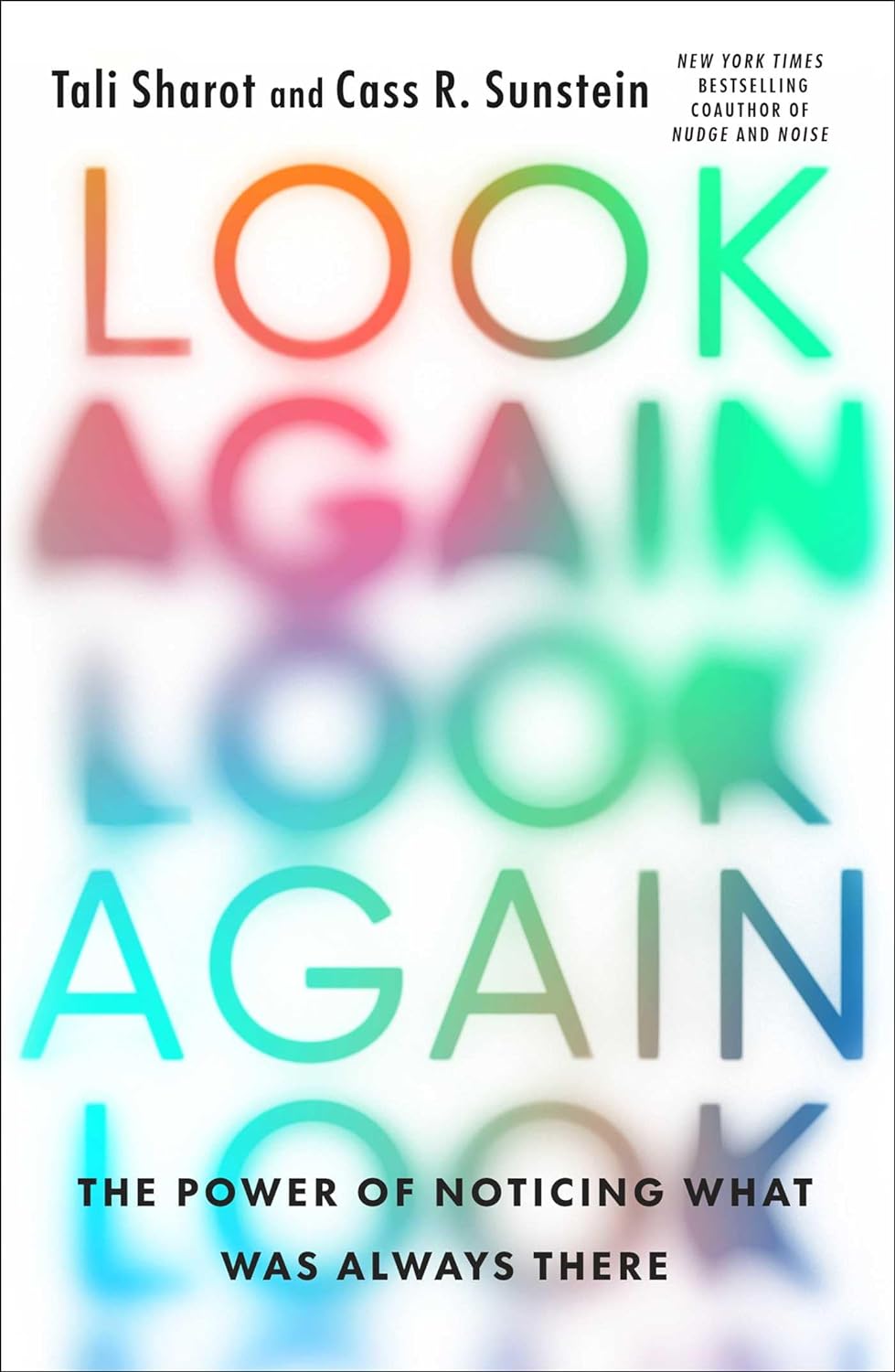
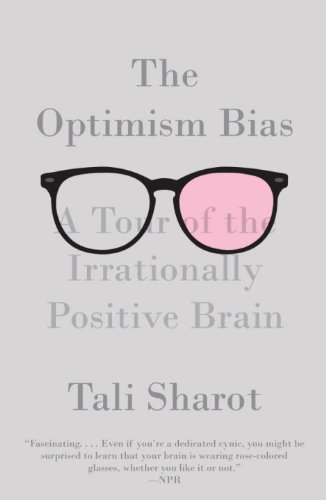
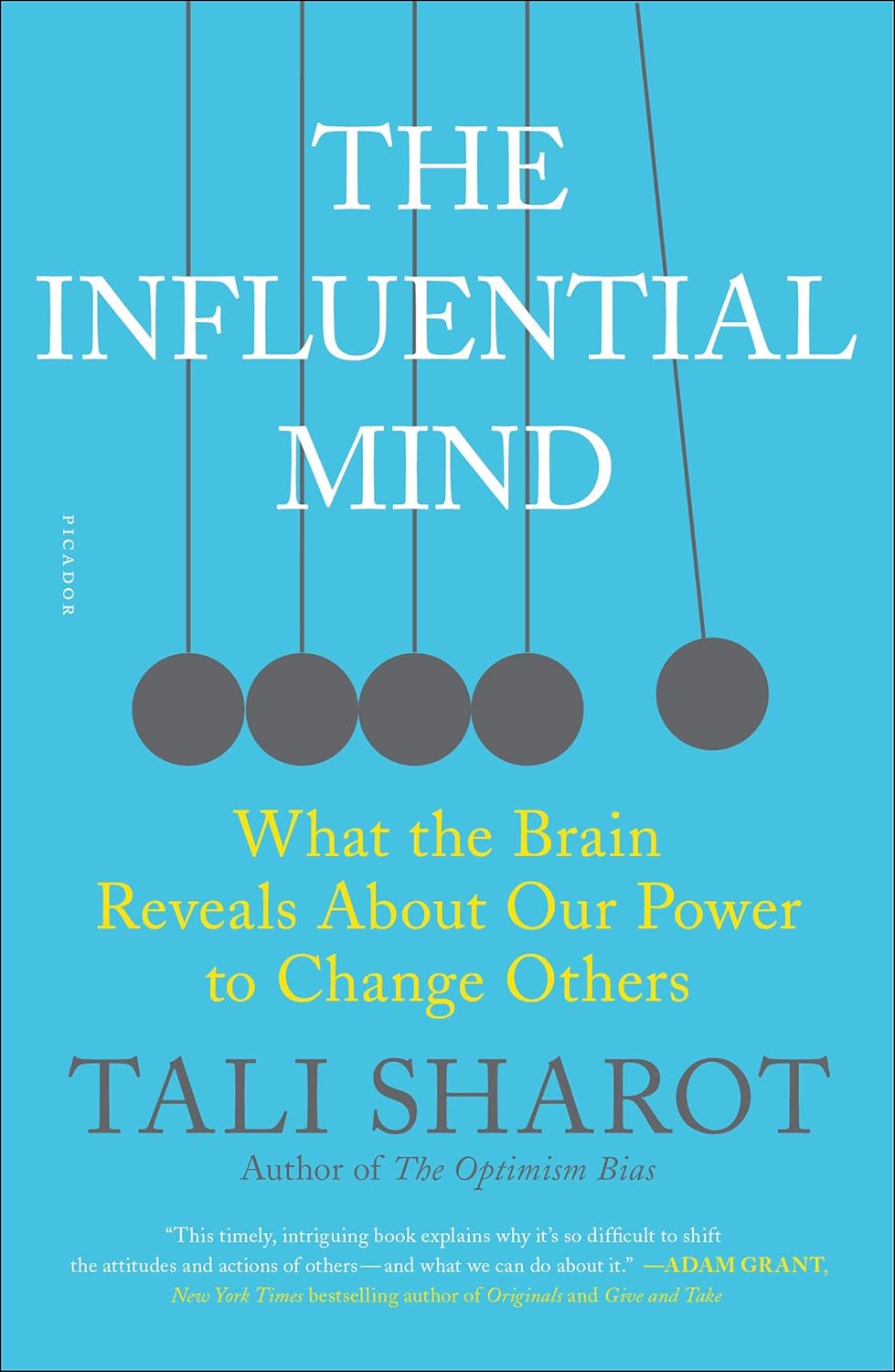
Sharot is particularly known for her discovery of the neural mechanisms underlying human optimism. Her research has been published in numerous prestigious journals and has influenced fields ranging from public policy and healthcare to finance and cybersecurity. In her acclaimed books The Optimism Bias, The Influential Mind, and Look Again, she explores why people often hold overly positive beliefs about the future, how emotions drive influence and persuasion, and why revising our beliefs is critical for learning and progress. Her work highlights the complex interplay between emotion, cognition, and behavior, offering powerful insights into how individuals and organizations can make better decisions.
As the Director of the Affective Brain Lab at UCL, Sharot leads a multidisciplinary team investigating how emotions influence cognition, learning, and decision-making. Using advanced methods including brain imaging and behavioral experiments, the lab explores how beliefs are formed, how they can change, and how these processes affect mental health, motivation, and social behavior. The ultimate goal of this research is to translate scientific insights about the brain into practical applications that improve individual and collective decision-making.
Sharot’s work has earned her international recognition and prestigious fellowships from organizations including the British Academy and the Wellcome Trust. She is also a highly sought-after speaker, regularly presenting her research to global audiences across business, government, and academia. Her talks have reached millions through conferences, media appearances, and TED presentations, which have collectively garnered more than 17 million views.